


Protect privileged access across your entire environment with agentless, identity-based controls built for resilience, rapid deployment, and high-stakes environments.

Delinea Competitors: Xage XPAM vs. Delinea
Traditional PAM Complexity Can Create Security Gaps
When evaluating Delinea competitors, organizations should consider how easily privileged access protection can extend across the entire environment. PAM that requires multiple products, infrastructure components, and management interfaces can add complexity, especially when teams need consistent controls across traditional IT, cloud, edge, legacy systems, and disconnected environments. According to the 2026 Verizon Data Breach Investigations Report, credential abuse remains an initial access vector in 13% of breaches.
Delinea spans products and components including Delinea Secret Server, Privilege Manager, Privileged Remote Access, and DevOps Secrets Vault. Xage takes a different approach, bringing privileged access, remote access, MFA, session controls, and identity-based enforcement together through a distributed architecture.
What Is Xage Extended Privileged Access Management?
Xage Extended Privileged Access Management (XPAM) is an identity security solution that controls and audits privileged access across human and non-human identities without relying on a centralized enforcement architecture.
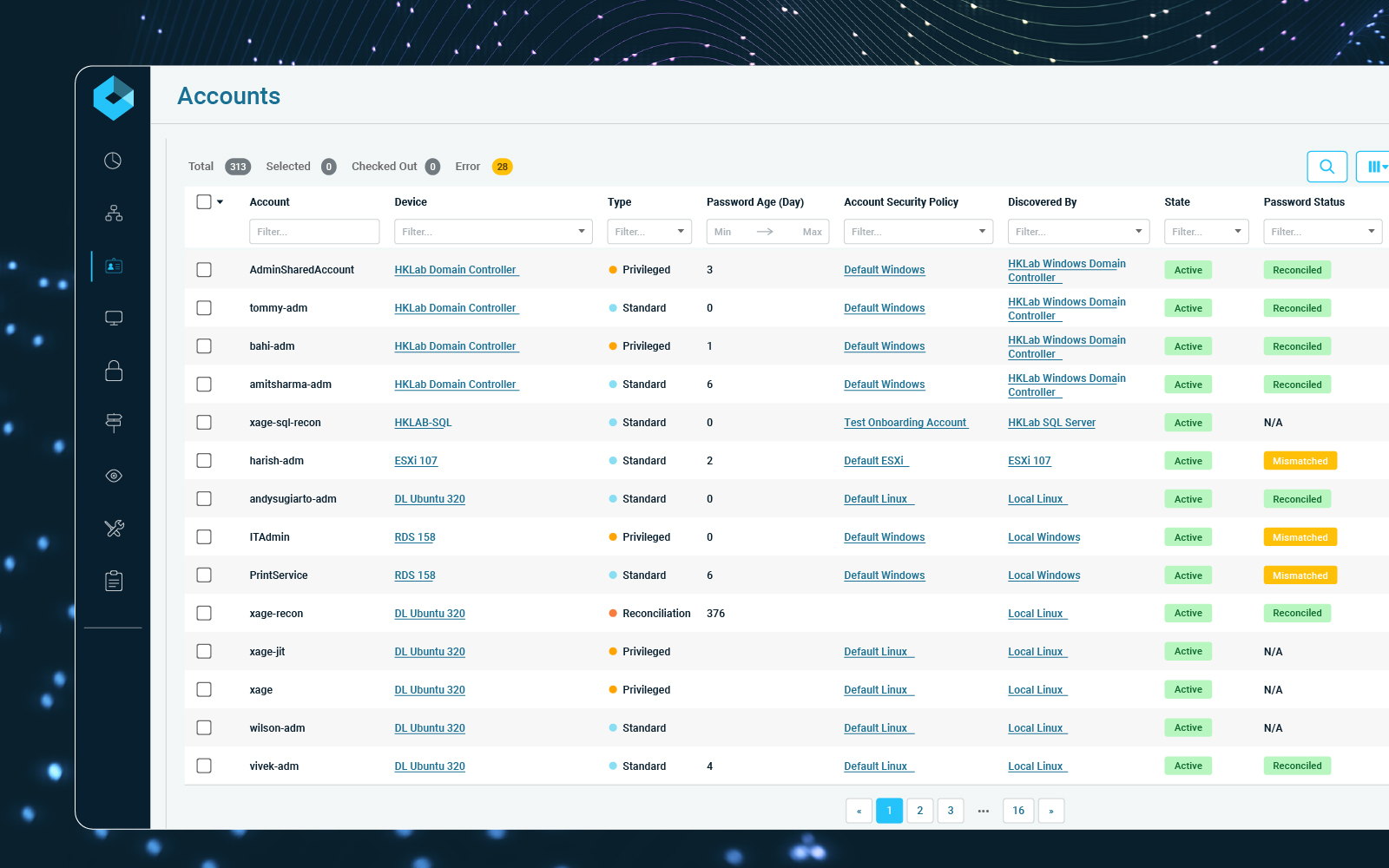
Xage combines privileged account discovery, credential protection, just-in-time access, MFA, session management, secure remote access, and identity-based controls in one platform.
With Xage XPAM, you can:
- Apply privileged access controls without deploying agents across every endpoint.
- Replace standing privilege with just-in-time, policy-based access.
- Extend MFA to legacy systems and resources that do not natively support it.
- Control and record privileged sessions across IT, OT, cloud, and distributed environments.
- Maintain local authentication and policy enforcement when WAN or cloud connectivity is unavailable.
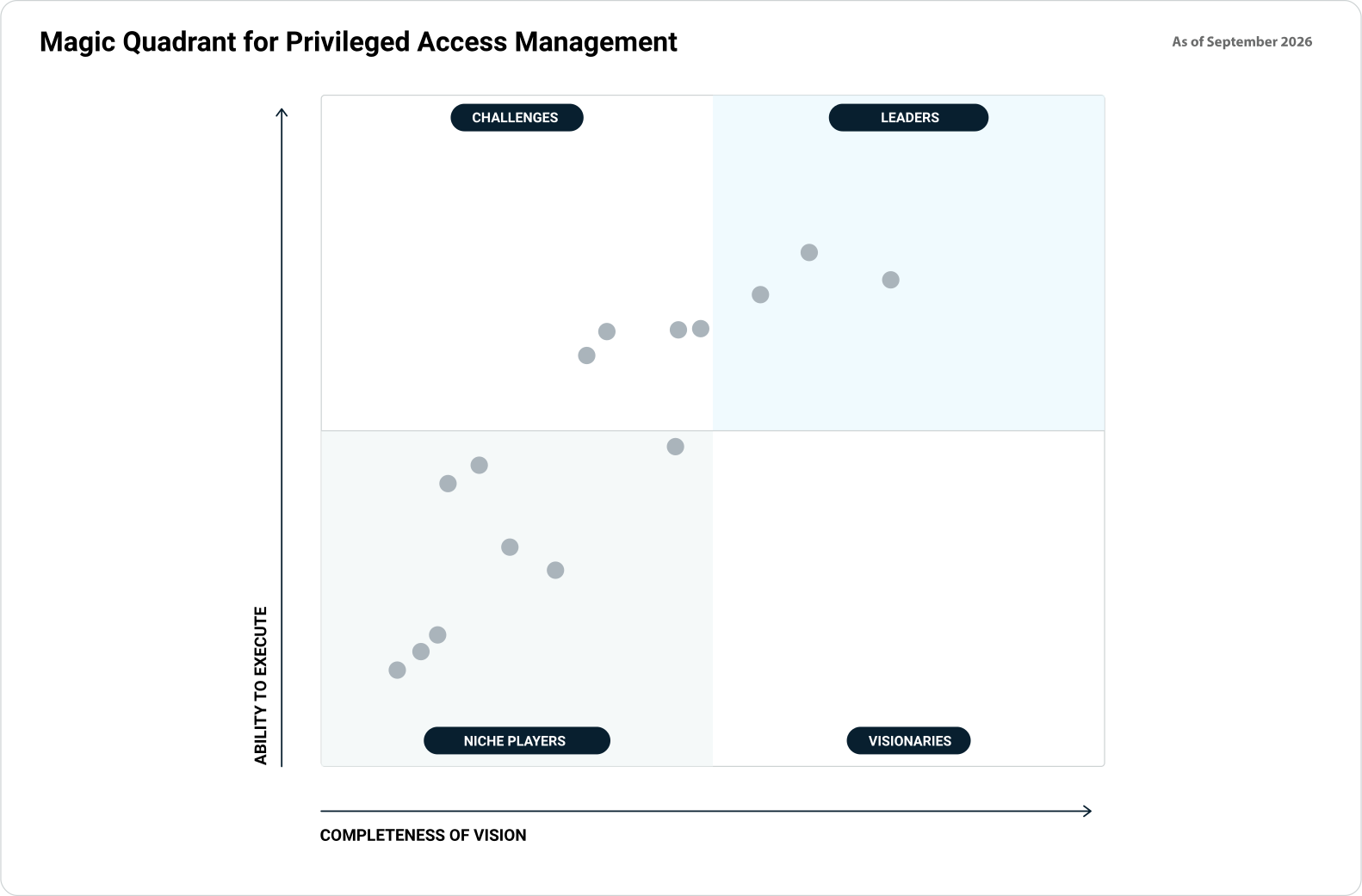
There’s a New Name in PAM.
Xage Security Named in the 2026 Gartner® Magic Quadrant™ for Privileged Access Management
Read the Report
Delinea Competitors: At-a-Glance Comparison
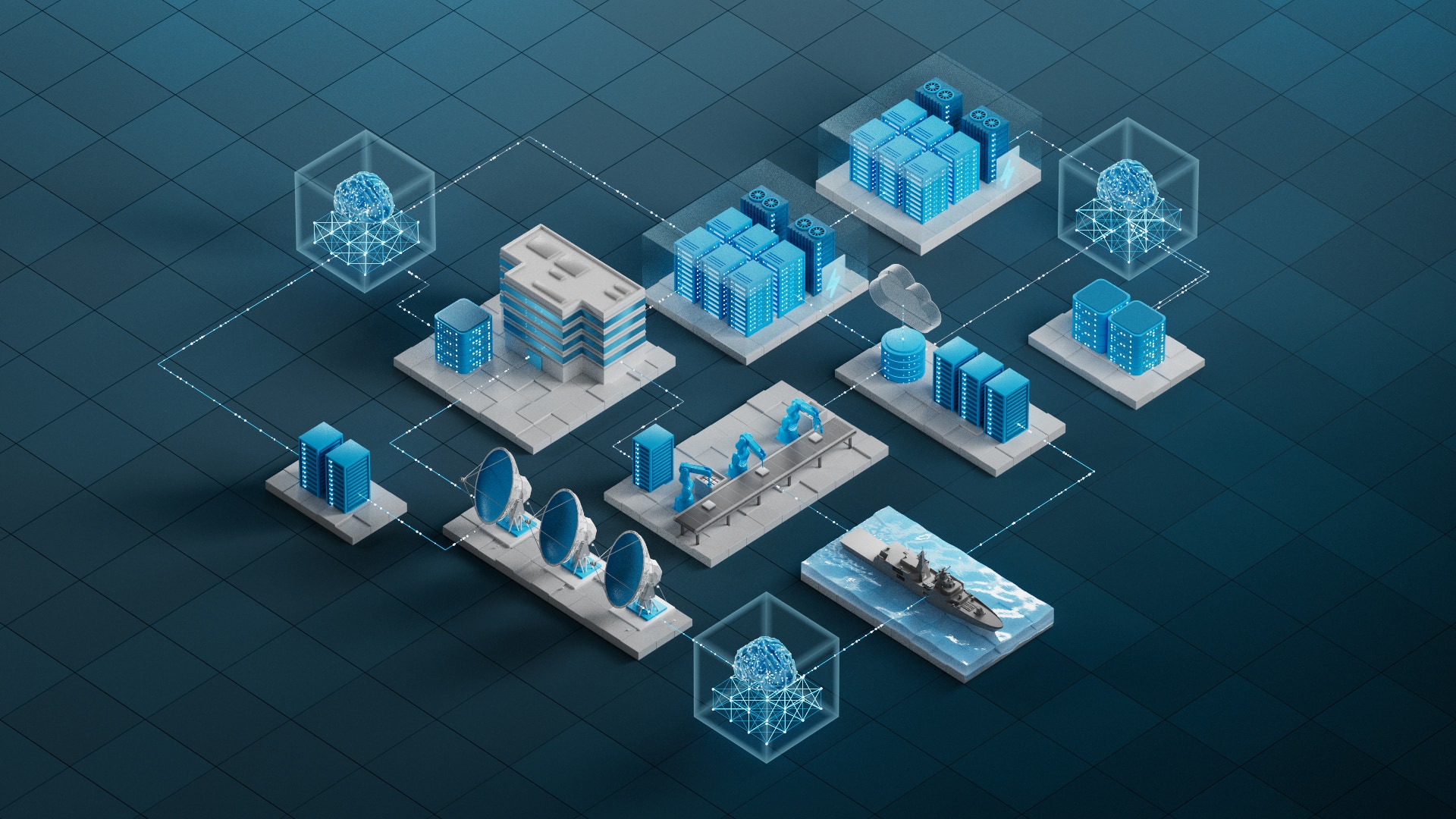
Xage XPAM and Delinea PAM both address privileged access, but they take different architectural approaches. Xage uses a distributed Zero Trust Fabric with integrated privileged and remote access controls, while Delinea delivers capabilities across multiple products, editions, and infrastructure components.
| Criteria | Xage XPAM | Delinea |
|---|---|---|
| Core architecture | Distributed fabric (Xage Fabric); no central vault | Centralized, vault-based (Secret Server) |
| Core components for full capability | 2 (Manager + Nodes) | Web/app + SQL, more at scale |
| Fully self-hosted, no cloud dependency | Yes, incl. remote access & ZTNA | On-prem supported; platform spans SaaS modules |
| Native OT/ICS/SCADA support | Yes, incl. Purdue Model alignment | Not purpose-built for OT |
| Zero Trust Remote Access | Native, included | Separate product (PRA) |
| Typical time to initial protection | Hours to about a day | Weeks to months (multi-component) |
| On-prem / distributed sites | Yes, supports on-prem and distributed sites, even if connectivity is disrupted | Primarily SaaS delivery model. Requires central connectivity to remain operational |
| Licensing model | User-based, unlimited assets, one tier | Tiered editions + user packs |
| Multi-user session collaboration | Supported natively | Limited |
Full Comparison: Xage XPAM vs. Delinea
Xage XPAM and Delinea differ across privileged access architecture, credential security, session management, deployment, resilience, identity controls, and infrastructure requirements. The detailed comparison below shows how each approach addresses these areas.
Download as PDF
Privileged Access Security & Management
Xage XPAM protects privileged access without requiring organizations to vault every credential before applying security controls. Its agentless approach combines credential protection, just-in-time access, resilient local enforcement, and secure third-party access to reduce standing privilege and accelerate protection across distributed environments.
| Criteria | Xage XPAM | Delinea |
|---|---|---|
| Discovery & Time-to-Protection | Instant Agentless Policy Overlay: Governs access immediately upon network placement; no need to wait for full credential discovery/rotation. | Fast Discovery: Rapid directory sync and cloud asset ingestion; quick initial time-to-value for IT environments. |
| Credential Management & Vaulting | Decentralized / Secrets-First: Eliminates standing credentials; supports dynamic rotation, vaulted secrets, and credential injection without exposing plaintext to users. | SaaS/Hybrid Vault (Secret Server): Cloud-native or on-prem encrypted database; simple secrets management with auto-rotation. |
| Vault Security | Quantum-resistant cryptography: credentials and policy are fragmented and distributed across the Xage Fabric, so no single node holds a complete secret. | AES-based encryption; no public documentation of post-quantum cryptography for secret storage |
| Resilience | No single point of failure; one node compromised does not expose credentials or policy. 100% Resilient Local Enforcement Nodes sync cryptographically; full authentication and policy enforcement continue during WAN/cloud outages. | HA supported, but the public architecture centers on Secret Server + SQL Server + IIS |
| Zero Standing Privilege (ZSP) & JIT Access | Native JIT Protocol Proxy: Ephemeral access granted at the protocol/asset level; dynamic role-binding; zero persistent local admin rights. | JIT Infrastructure Access (StrongDM): Ephemeral credentials for databases, k8s, SSH, and cloud consoles via broker. |
| Third-Party & Remote Vendor Access | Direct Agentless Zero Trust Overlay: Browser-based or native client access to internal assets; no client VPN, no jump hosts, no network-level exposure. | Cloud Web Portal: Identity-aware proxy access for contractors to web, SSH, and RDP targets. |
Session Management & Security Features
Xage integrates privileged session controls with the same platform used for remote access and identity-based policy enforcement. Delinea provides these capabilities across its broader portfolio of privileged-access products.
| Criteria | Xage XPAM | Delinea |
|---|---|---|
| Session recording | Built-in, agentless | Supported, including browser-based and proxied recordings |
| Zero Trust Remote Access | Native, included in the same platform | Delivered via Delinea Privileged Remote Access (PRA), a distinct product capability |
| Session collaboration | Multiple users can join the same session concurrently | Limited multi-user session collaboration |
| Secure file transfer with malware scanning | Built-in, with AV integration, fingerprinting, and integrity checks | Not natively supported |
| East-west (machine-to-machine) control | Policy-based control of lateral M2M traffic | Not a core PASM capability |
Deployment & Infrastructure Footprint
Xage uses distributed enforcement nodes rather than depending on a centralized control point. This architecture is designed to extend privileged access controls across distributed and disconnected environments while minimizing additional infrastructure and maintaining local enforcement.
| Criteria | Xage XPAM | Delinea |
|---|---|---|
| Architectural Model | Distributed Zero Trust Mesh · Tamper-proof, multi-node consensus · Zero single point of failure | SaaS-Hosted Proxy Broker · Cloud control plane with local brokers · Dependent on external cloud reachability |
| Deployment model | Software-based; Ubuntu/RedHat VM or virtual appliance | On-prem Secret Server requires Windows Server + IIS + SQL Server; Delinea Platform also offered as SaaS |
| Core components | Minimum 2 (Manager + Nodes) for full capability | Web/app tier + SQL database minimum; multi-site designs commonly add Distributed Engines, RabbitMQ, and load balancers |
| Agent requirement | Agentless | Agentless for most remote-access flows; some session-recording and proxy scenarios use connector-style components |
| Air-gapped/offline support | Fully self-hostable, no cloud dependency, including ZTNA and remote access. 100% operational when WAN, cloud, or central services are disconnected. | On-premises deployment supported for Secret Server; the broader Delinea Platform spans SaaS-delivered services. Dependent on multi-region cloud uptime; loss of internet connectivity locks out local site administrators. |
| Centralized management | Single console for PAM, ZTNA, MFA, SSO, file transfer, and session collaboration | Multiple products, editions, and consoles across the portfolio (Secret Server, Privilege Manager, PRA, DevOps Secrets Vault) |
Identity & Access Control
Xage extends identity-based access policies to systems and resources that may lack native identity security capabilities, including legacy environments. This allows organizations to apply MFA and granular access controls more consistently across their environments.
| Criteria | Xage XPAM | CyberArk (Now Idira) |
|---|---|---|
| AD/LDAP integration | Supported, including multi-level LDAP/LDAPS | Supported |
| Identity-based micro-segmentation | Supported via Xage enforcement points | Not a core PASM capability |
| Universal MFA Support | Universal MFA Injection: Integrates with Entra ID, Okta, Ping; injects MFA into legacy IT/OT systems, protocols, and devices that lack native MFA support. | SAML/OIDC for Cloud Apps Limited ability to inject MFA directly into legacy protocols and non-web infrastructure. |
Scalability & Resilience
Xage distributes authentication and policy enforcement across its architecture so access controls can continue functioning during WAN, cloud, or central-service outages. Organizations can also add enforcement nodes as their environments expand.
| Criteria | Xage XPAM | Delinea |
|---|---|---|
| Installation time | Containerized install; operational in hours | Marketed as easy to deploy; on-prem prerequisites (Windows/IIS/SQL) and larger multi-component designs add planning time |
| Scalability model | Distributed, node-based scaling | Scales via Distributed Engines and central services, following a more conventional client-server pattern |
| HA model | Built-in fault tolerance via distributed consensus | HA supported, typically via SQL Server clustering/replication alongside web-tier redundancy |
| Blast Radius Containment | Asset-Layer Isolation: Compromise of one node or credential cannot compromise the rest of the estate | Medium/High Proxy Risk SaaS account hijacking or proxy bypass leaves downstream assets exposed. |
Licensing & Total Cost of Ownership
Xage uses user-based licensing with unlimited assets and a two-component core architecture. This approach is designed to reduce the infrastructure and product sprawl associated with extending privileged access protection across large, distributed environments.
| Criteria | Xage XPAM | Delinea |
|---|---|---|
| Infrastructure Overhead (TCO) | Zero Appliance Sprawl: Eliminates RDP jump boxes, dedicated bastions, hardware appliances, and VPN licensing. | Fragmented Stack Digestion Managing separate engines for Secret Server, StrongDM, Fastpath, and Authomize. |
| Day-One Protection & Time-to-Value | Immediate (Hours to Days) Agentless overlay wraps any asset with JIT access & MFA instantly, without prior vaulting. | Fast in IT; Nil in Edge/OT Quick directory sync for cloud IT, but leaves unproxied and legacy systems unprotected. |
| License model | User-based, unlimited assets, single tier | Tiered by edition, with user and feature packs; multiple editions/add-ons modules. |
| Cost | Lower infrastructure overhead due to a 2-component architecture | Gartner's Oct 2025 PAM Magic Quadrant notes Delinea's PEDM pricing is among the highest evaluated and large-enterprise pricing runs above the market average; some requirements still need PowerShell customization |
User Experience
Xage consolidates privileged access workflows within a single console and policy model. This reduces the number of separate products and configuration models administrators need to work across when managing privileged access.
| Criteria | Xage XPAM | Delinea |
|---|---|---|
| Admin experience | Single console, unified workflows | Gartner notes customers commend usability; broader in scope than Xage across products and consoles |
| Learning curve | Low – fewer moving parts, one policy model | Moderate to high given the number of products, tiers, and infrastructure choices |

“We rely on experts like Xage Security to protect and secure our critical infrastructure. Xage provided us with an innovative approach to cyber harden OT and IT infrastructure as well as help us meet regulatory requirements.”
– Mark Huse, Chief Information Officer, Kinder Morgan

Xage protects privileged access in environments where security controls cannot depend on uninterrupted cloud or WAN connectivity.
Kinder Morgan uses Xage to secure privileged access across approximately 3,000 servers and 400 administrators in its data center environment. With MFA and just-in-time, just-enough access in place, the company reduced related support tickets by 46%.
Read the Case Study
Frequently Asked Questions
What Is the Difference Between Xage XPAM and Delinea?
Xage XPAM uses a distributed Zero Trust architecture and combines privileged access, remote access, MFA, session controls, and identity-based enforcement. The Delinea platform provides privileged access capabilities across products including Secret Server, Privilege Manager, Privileged Remote Access, and DevOps Secrets Vault.
Is Xage XPAM an Alternative to Delinea PAM?
Yes. Xage XPAM provides privileged account discovery, credential protection, JIT access, session management, secure remote access, MFA, and auditing for organizations evaluating alternatives to Delinea PAM
Can Xage XPAM Work Without Cloud Connectivity?
Yes. Xage XPAM can be fully self-hosted and is designed to maintain authentication and policy enforcement when WAN, cloud, or central services are unavailable, including in distributed and disconnected environments.
Does Xage XPAM Support OT and Legacy Systems?
Yes. Xage uses an agentless architecture and can extend privileged access and MFA controls to legacy IT and OT systems, protocols, and devices, including resources that do not natively support MFA.
How Does Xage XPAM Reduce Standing Privilege?
Xage uses just-in-time access to grant ephemeral privileges at the protocol or asset level. Access can be dynamically authorized according to policy without maintaining persistent local administrator rights.
See How Xage XPAM Compares
Discover how Xage can simplify privileged access management, extend identity-based controls across your environment, and protect human, machine, and AI identities.